Take a deep breath. Now another. Researchers figure the average person spends more than ninety percent of their life indoors — home, car, office, repeat. So the quality of the air inside your four walls, your indoor air quality or IAQ, matters a whole lot more than most people ever stop to consider. Bad IAQ can hit you the moment you walk in the door, and depending on what the pollutant is, it can stick with you over the long haul.
Why is this even a problem now?
Here's the irony: we got better at building houses and accidentally made the air worse. Modern homes are built tight to save energy — less air leaking in and out. Great for the power bill, not so great when you also pack the place with VOC-shedding furniture and finishes and then trap it all inside. Add leaky duct systems, drafty old windows, and an HVAC system that's the wrong size, and you've got a recipe for stale, loaded-up air.
How do I know if I've got an IAQ problem?
The single biggest tell is symptoms that track with a place. Over the years I've had people tell me, "My cough only shows up at work," or "I feel fine all day, then twenty minutes after I get home my head fills up." The classic one: you go to bed feeling great, wake up stuffy and scratchy, and it all clears within an hour of leaving the house. Headaches, watery eyes, a nagging cough, feeling run-down and foggy — if those come and go with a building, the building is a suspect.
The coil nobody thinks about
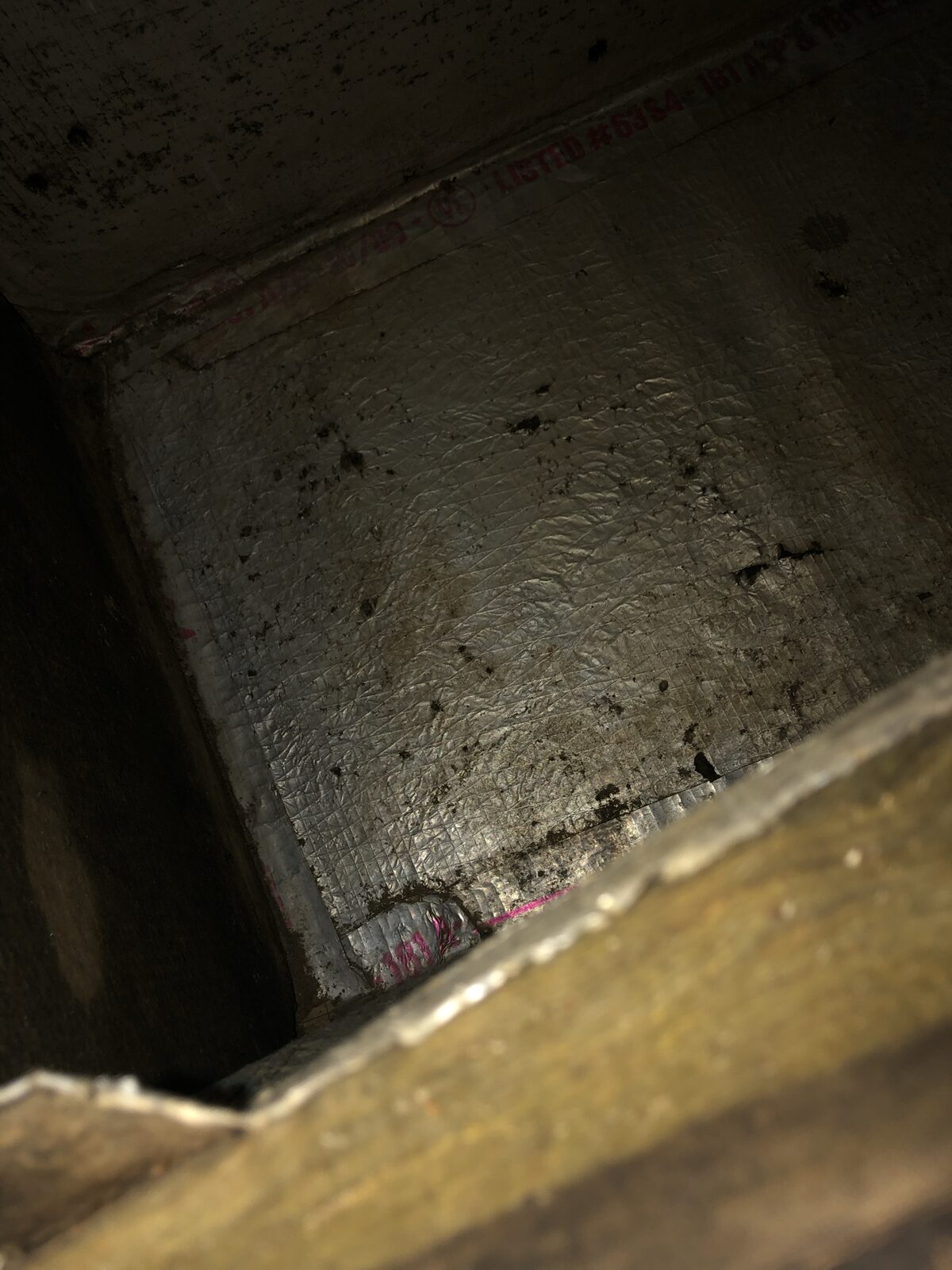
Every bit of air you breathe in your home passes across the cooling coil inside your air handler. Every bit. That coil sits in the dark, it's damp, and if the air handler lives in a hot garage or attic, it's warm too. Darkness, moisture, a food source — that's the exact three-item wish list mold is praying for, and your coil hands it over on a silver platter. A gunked-up coil is one of the biggest hidden drivers of lousy home air there is.
If you suspect an IAQ problem, the right first move is to have a professional test the structure — particle counts, mold sampling, thermal imaging, general air samples. Testing finds the actual root cause so you fix the right thing instead of throwing money at gadgets. Solutions range from simply sealing and cleaning ducts, to adding filtration and purification, all the way up to a full attic renovation. The fix depends on what the test finds.
Filtration vs. purification
People mix these two up constantly. Filtration physically catches particles — dust, pollen, dander — on a filter. Purification goes after the things a filter can't grab: germs, viruses, odors, and mold spores moving through the airstream. You usually want both. Here are the purification options I get asked about most.
UV-C light systems
Think back to the dentist (sorry) — those little cabinets with the eerie purple glow that sterilize the instruments? Same idea. A UV-C bulb installed inside your air handler does one job and does it well: it stops biological growth from taking hold on the coil. Left alone, basically every coil will eventually grow something. A couple of notes: the bulbs need changing every one or two years — they'll still glow afterward, but they've stopped emitting the UV-C rays that actually do the killing. And never, ever look directly at a lit UV-C bulb. Those rays can burn your eyes, and it is genuinely painful and slow to heal.
UV plus a honeycomb membrane
Some manufacturers wrap the bulb in a honeycomb-style membrane. Moisture in the air plus the UV light kicks off a reaction that releases a very weak hydrogen-peroxide vapor — the same stuff you'd dab on a scrape, just aerosolized and dilute. It drifts out and settles on surfaces around the house, knocking down germs and viruses, while the UV side keeps the coil clean.
UV plus a carbon block
This pairing adds odor control. Carbon is one of the most absorbent materials on earth and it's fantastic at soaking up smells, and the UV light "refreshes" the carbon so it keeps working. I've put these in homes that previously belonged to heavy smokers or had a lot of pets, and the difference in how the place smells is night and day.
UV light is a great place to start — but it isn't the whole answer. Ducts, windows, attic, and pressure all matter too.
Where to begin
If your air feels off, start by getting it tested, then layer the fixes: a good filter, sealed ducts, and a purification system suited to your actual problem. UV-C is an excellent and affordable starting point, but it's one tool in a kit — not a silver bullet. And if you want the companion piece on what's actually in that air, go read can my home make you sick? next.
Final thought for today: if air pollution ever ends up in front of a judge, do you think they'd charge it as a mist-demeanor? I know, I know — collective groan.
Home Whisperer out!!
About the author: Gregory Frazier is an HVAC estimator who has worked Maryland, Pennsylvania, Delaware, Virginia and Florida for 25+ years. He wrote a homeowner column for a decade and revived it here as The Home Whisperer. Read his story →