
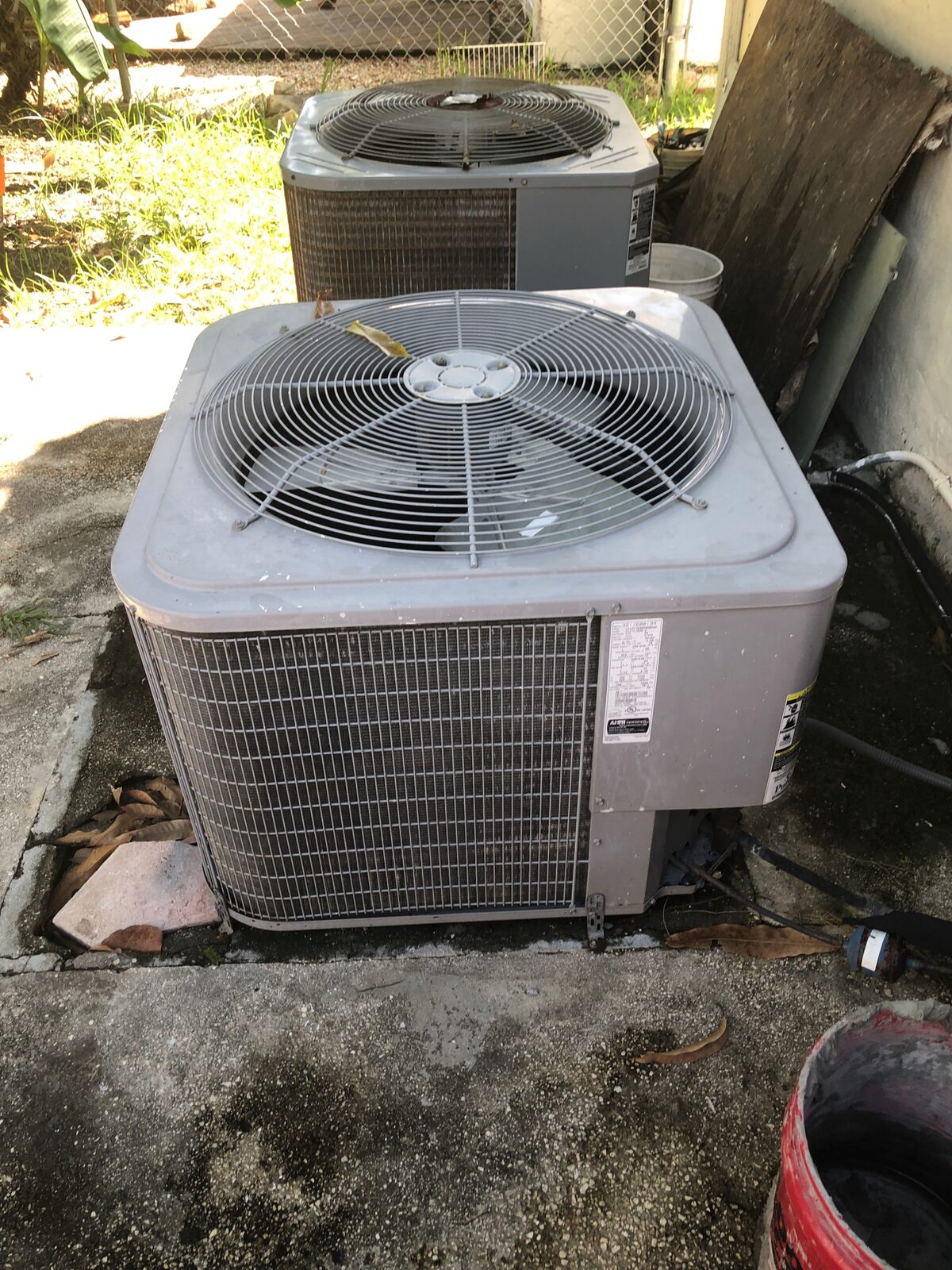
We are spoiled, and I say that with love. Walk inside on a brutal afternoon, the cool air hits you, and you don't give it a second thought. But humans lived through plenty of miserable summers long before anyone could plug in a compressor. So how'd they do it? Let's take a little trip back.
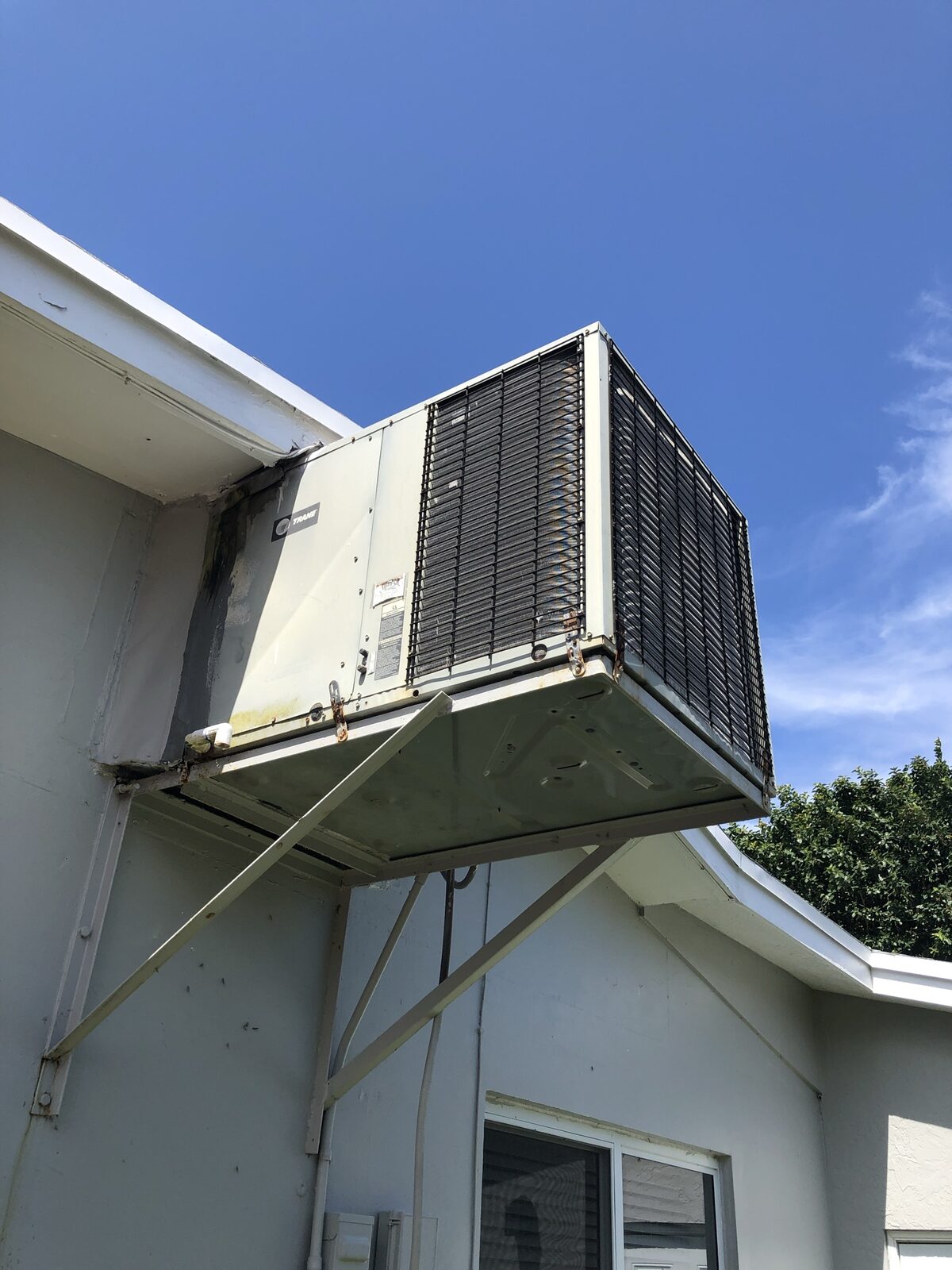
Why we say a "ton" of cooling
First, a fun one that even a lot of HVAC folks can't explain. When we talk about a "ton" of air conditioning, that term is a genuine fossil. Back in the day, before mechanical refrigeration, people cooled spaces by setting up giant blocks of ice and blowing fans across them. A standard block was roughly a three-foot cube. Water weighs about eight pounds a gallon, so that cube worked out to right around two thousand pounds — a ton. People figured out how many tons of ice it took to cool a given space, and the word just stuck. To this day, when I size cooling, I'm quoting you in tons of melted ice.
Beating the heat the old-fashioned way
If you didn't have an ice man making deliveries — which I imagine was neither cheap nor convenient — you got clever with the house itself.
- Orientation and cross-ventilation. Older homes were often built with the prevailing wind in mind. You'll notice a lot of east/west-facing older houses positioned to catch a breeze straight through, windows lined up so air could move from one side clean out the other.
- Attic fans. Not the little ceiling paddles we know now — I mean a big fan, maybe four feet across, built right into the ceiling leading up into the attic. Open all the windows, switch it on, and it pulls a steady breeze through the whole house and dumps the hot air up top. Simple and effective.
- Screened porches. A place to catch the evening air without donating blood to the bugs. Plenty of folks back then swore sleeping in the fresh night air was good for your health.
- Tall ceilings and thick walls. Heat rises, so high ceilings let it climb away from where people actually sat. Thick masonry walls soaked up the day's heat slowly and held the interior steadier.
A lot of these old tricks are just good building science with a suntan. Shade, airflow, and thermal mass still work. They won't replace a modern system in a humid climate, but they explain why some old houses feel surprisingly livable and others are ovens.
The buyer-beware part
Here's where the history lesson turns practical. If you're looking at buying an older home or condo that has never had real central air — maybe just a couple of window shakers hanging on for dear life — bring an HVAC professional in before you sign anything. I love these old houses, but retrofitting proper air conditioning into one can add up fast.
It's rarely just "drop in a unit." You frequently need new ductwork run through a house that was never designed for it, and very often the electrical system needs upgrading to carry the load. Those are real numbers, and you want them in hand while you can still negotiate — not as a nasty surprise after closing. If sizing the cooling for a place like that comes up, the same logic from my bigger is not better column applies: right-size it, don't oversize it.
Air conditioning is a luxury we'd all rather not live without — but retrofitting it into an old house is a wallet-opener. Get the answers before you ink the contract.
So enjoy your cold air and tip your cap to the folks who made it through on ice blocks and clever windows. Speaking of ice — somebody told me a certain early-'90s rapper might be circling another comeback. Please tell me it isn't true. I really don't think I can stand another round of ice, ice, baby.
Home Whisperer out!!
About the author: Gregory Frazier is an HVAC estimator who has worked Maryland, Pennsylvania, Delaware, Virginia and Florida for 25+ years. He wrote a homeowner column for a decade and revived it here as The Home Whisperer. Read his story →