For a lot of folks, heating the house is barely a seasonal afterthought — in warmer regions you might only run it a handful of days a year, while in colder MD and PA winters it's working for months. Either way, when the temperature drops and you flip your system into heat mode, it helps to know what you've actually got. There are two main flavors of electric heat I run into, and they could not be more different in how they work.
Heat pumps: real, furnace-grade warmth
A heat pump is the less common and more expensive of the two, and it's the closer cousin to a true northern-style furnace. I'll keep this simple and spare you the full HVAC lecture. A heat pump can genuinely produce 100°-plus heat and warm a house all the way up, where the other type just takes the chill off. The trick is a part called a reversing valve. In cooling mode, the refrigerant flows one way and carries heat out of your house. Flip to heating, and the reversing valve sends that refrigerant the other direction — now it grabs heat from outside and carries it inside, so your indoor coil warms up and the house gets toasty. Importantly, in a heat pump both the indoor and outdoor units run when you call for heat.
If you want serious heat and you're shopping for a new system, a heat pump split system produces more warmth than any other electric option common in milder regions. If you genuinely love a hot house, that's where to look.
Electric resistance: the glorified hair dryer
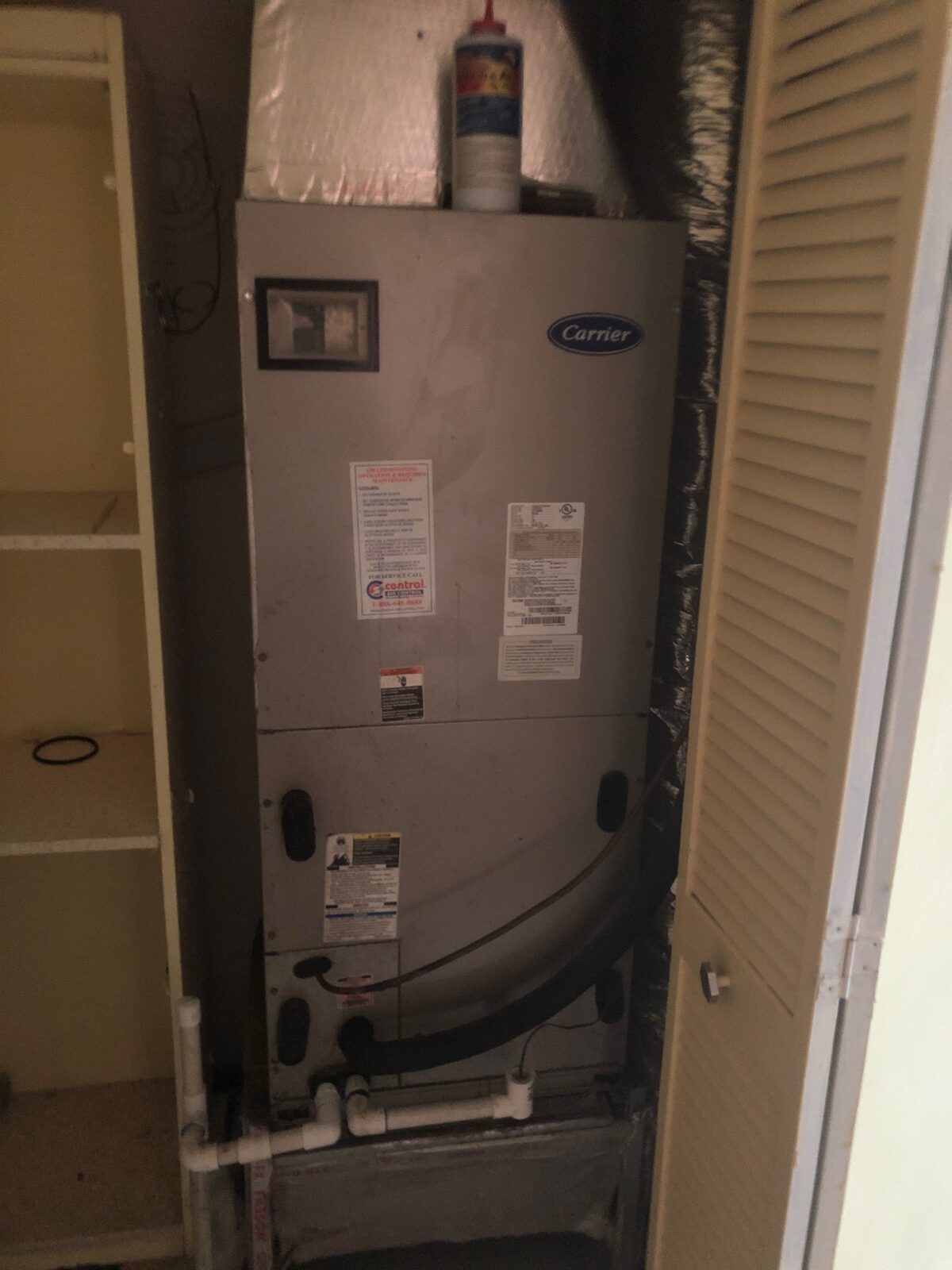
Now for the most common type by a mile — what's used in a "straight cool" system, which is probably 90% of what gets installed in warmer climates. This is electric resistance heat, also called heat strips, and the honest description is "glorified blow dryer." The strip is mounted in the top of your indoor unit and comes in a few sizes — typically 5, 7.5, or 10 kW. When you call for heat, your outdoor unit and indoor coil sit this one out entirely; only the indoor blower and the heat strip do the work. Electricity passes through coils of wire in the heat assembly, the blower pushes air across those hot coils, and that warmed air takes the chill off the house.
Want a perfect mental picture? Grab the nearest handheld hair dryer, switch it on, and look down the business end at those glowing coils. That is exactly what's happening when you turn on the heat in a straight-cool system — same idea, bigger box. One note for homeowners: your contractor will check the wire and circuit-breaker sizing when fitting a heat strip, because the wrong wire or breaker size with a heat strip is a genuine safety hazard, not a detail to wave off.
A quick word on regions
This all skews toward electric heat because that's what dominates milder climates. But heating isn't one-size-fits-all across the map. In colder states like Maryland and Pennsylvania, you'll commonly find gas furnaces and heat pumps doing the heavy lifting through a real winter, where electric strips alone would struggle and run up a brutal bill. The principles above still apply — it's just that the colder your winters, the more it pays to have a heating source built for sustained, serious heat rather than a strip that takes the edge off.
Want to know what a heat strip looks like? Grab a hair dryer, turn it on, and stare down the business end. Congratulations — you now understand straight-cool heating.
The burning smell: DON'T PANIC
Here's the part I need you to actually remember, because it generates more frightened phone calls than anything else I deal with all winter. The single biggest complaint when the weather turns cool is: "There's a terrible burning smell coming from my air conditioner right after I turned the heat on!" In the immortal words of Douglas Adams: DON'T PANIC. Your house is not on fire and is not going to burn down.
What's actually happening is simple and harmless. Because most of us run the heat so rarely — sometimes just once or twice a season — a thin layer of dust settles on the heat-strip coils during all those months of nonuse. The first time you fire it up, that dust burns off, and that's the smell. Under normal circumstances it dissipates in around thirty minutes and you'll never notice it again that season.
Want to avoid the smell entirely? Easy trick: every single time you change your air conditioning filter, flip the system into heat mode for three to five minutes. That keeps the dust from ever building up enough to make a stink in the first place. Cheap, free, and it spares you the mild heart attack on the first cold night.
The bottom line
Know which kind of heat you have — a heat pump that truly warms, or resistance strips that take the chill off — and you'll set the right expectations on a cold night. And when that first-use smell shows up, you'll know it's just dust saying hello, not your house saying goodbye. While we're on the subject of seasonal care, my fall AC maintenance checklist is the perfect companion before the cold sets in.
I told my heat pump it was doing great work this winter. It just kept giving me warm regards.
Home Whisperer out!!
About the author: Gregory Frazier is an HVAC estimator who has worked Maryland, Pennsylvania, Delaware, Virginia and Florida for 25+ years. He wrote a homeowner column for a decade and revived it here as The Home Whisperer. Read his story →