
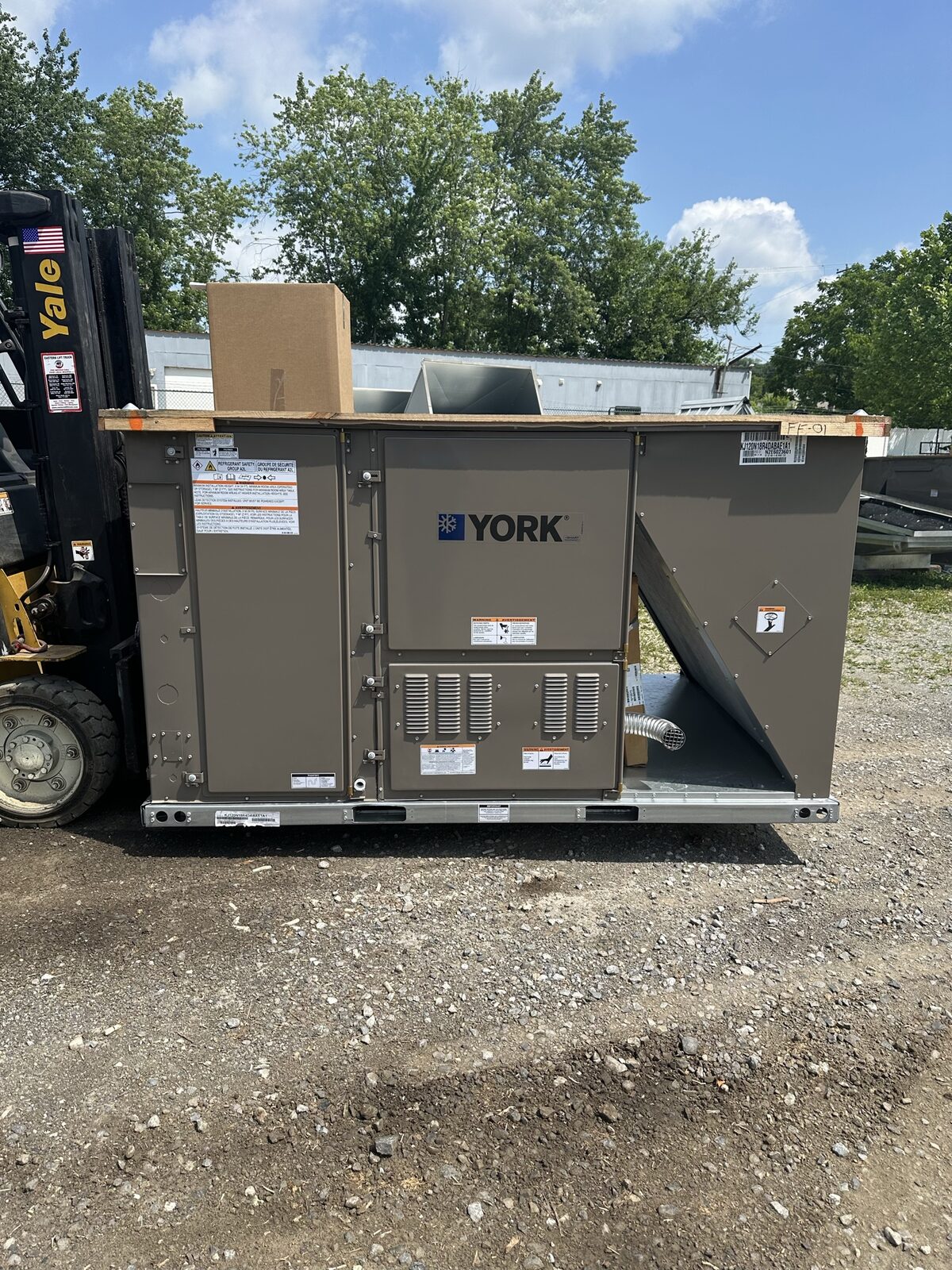
As usual, this one comes straight from a driveway. I'd just walked out of a home where I met a homeowner with a genuinely miserable list of problems: punishing humidity, fuzzy biological growth blooming around her brand-new vents, an electric bill that made her wince, a family that kept getting sick, and an air conditioner so loud you could hear it from the curb. Brand-new equipment, brand-new misery. Where did all of it come from? One decision: she hired the cheapest, least-educated contractor she could find.
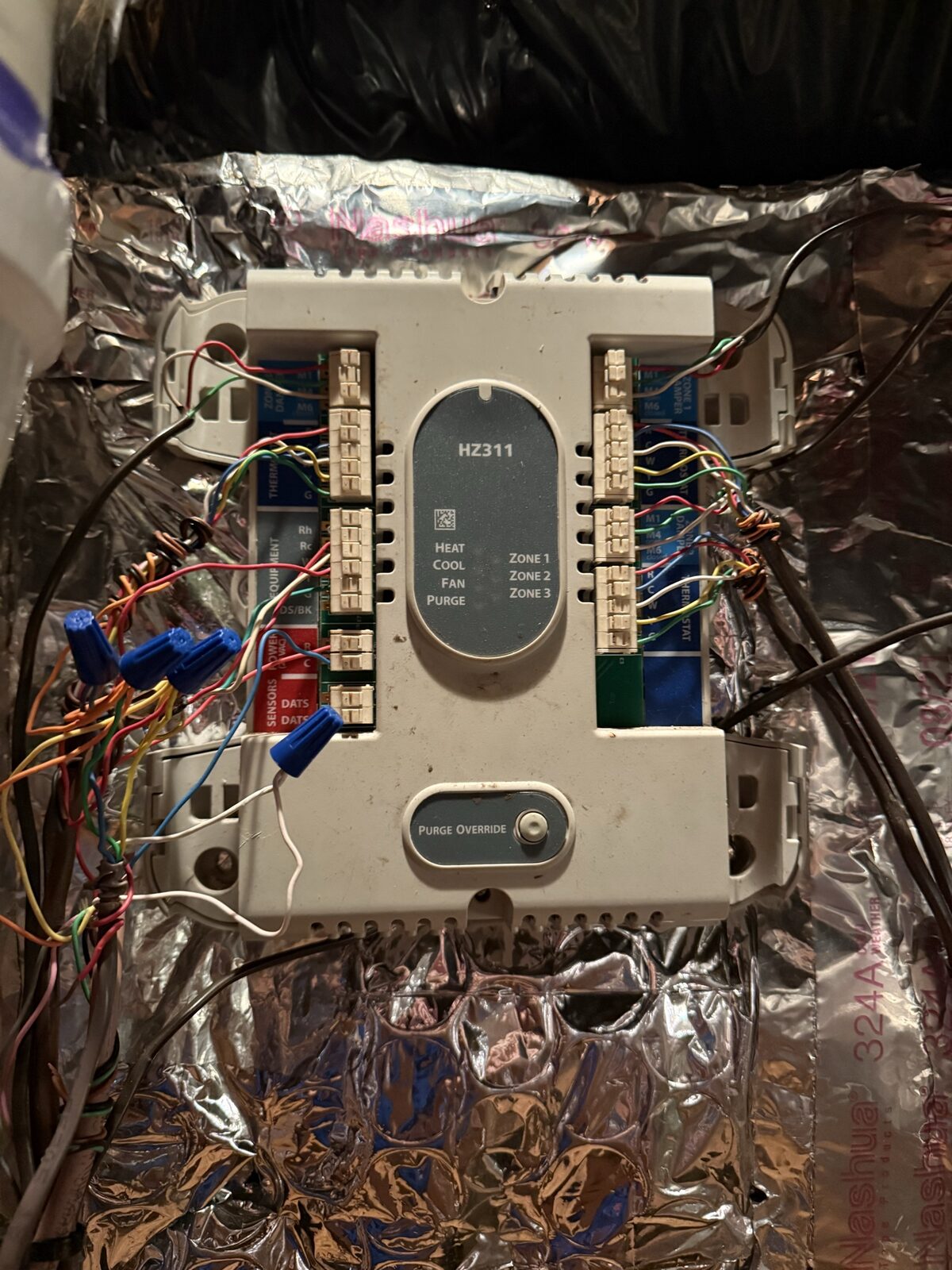
How a dream home went sideways
She'd been remodeling — new impact windows, a string of upgrades, the works — and the plan was to finish it off with all-new ductwork and a new air conditioner. The crown on her dream house. She interviewed a couple of contractors and went with the lowest bid.
That's when the mistakes started stacking up. She'd told the guy that two bedrooms didn't cool as well as the rest of the house. His "solution" was to take her existing four-ton system and bump it up to five tons. That single move — oversizing the unit — is the root of every problem on her list. Whenever you change a home's envelope, especially with new windows, a fresh load calculation is mandatory. Going bigger without one is the worst thing you can do in a humid climate, because the oversized unit short-cycles and never runs long enough to dehumidify. (If that sounds familiar, it's the exact trap I describe in bigger is not better.)
It got worse. The same contractor replaced all her ductwork without pulling a permit, which meant nobody ever reviewed the duct design for proper airflow. So those two warm bedrooms? Now they're worse. And the undersized duct system is exactly why the thing roars like a jet. Cheapest bid, three separate disasters.
The system you buy will be with you for roughly fifteen years. A few thousand dollars saved up front can cost you far more in wasted energy, ruined comfort, and tear-out-and-redo repairs down the road.
The three rules I'd never break
Rule 1: Demand a load calculation
Before any contractor quotes you a size, they should run a load calculation on your actual home — square footage, insulation, windows, orientation, the whole picture. The right size is the size the math gives you, not the size of your old unit and not a round number the salesperson likes. If they won't do the calc, or they "eyeball it" off the old equipment, walk away. (Curious what tonnage even means? Our tonnage estimator is a friendly way to sanity-check the conversation — it's built for commercial work, but the principle scales right down to a house.)
Rule 2: Confirm they pull permits — and have a duct designer
Ask point-blank: are you pulling permits, and which ones? A permit means an inspector reviews the work, and that's protecting you, not slowing you down. If ductwork is part of the job, ask whether they have a qualified person to actually draw and design the duct system for proper airflow. "We've done it a thousand times" is not a duct design.
Rule 3: Never buy on price alone
I hear it constantly: "I'm getting five quotes and the cheapest guy wins." I get it — none of us has a money tree out back. But here's the open secret: every HVAC company buys equipment from the same wholesalers. So if one bid is $1,500 below everyone else, there is almost always a bad reason hiding in there, and you'll discover it anywhere from a day to two months down the road when the problems start. You can't say you weren't warned.
All AC companies buy from the same wholesalers. If one bid is $1,500 cheaper than everyone else, there's a reason — and you'll meet it later.
Then do your homework
Beyond the three rules, do the legwork any big purchase deserves. Read the online reviews. Check the company's reputation with the Better Business Bureau. Find out how long they've actually been in business. And trust your gut — you have to genuinely trust the person you're hiring to crawl through your attic and reshape your home's comfort. Be especially wary of the guy who spends nine and a half minutes inside, scribbles a number on a scrap of paper, and bolts. Speed is not expertise.
The bottom line
Get the load calculation, insist on permits and a real duct designer, and refuse to shop on price alone. Do that and you'll skip the whole expensive sequel that my Coral-area homeowner is living through right now.
I was thinking about it the other day: a bus station is where a bus stops, a train station is where a train stops — and on my desk I have a work station.
Home Whisperer out!!
About the author: Gregory Frazier is an HVAC estimator who has worked Maryland, Pennsylvania, Delaware, Virginia and Florida for 25+ years. He wrote a homeowner column for a decade and revived it here as The Home Whisperer. Read his story →